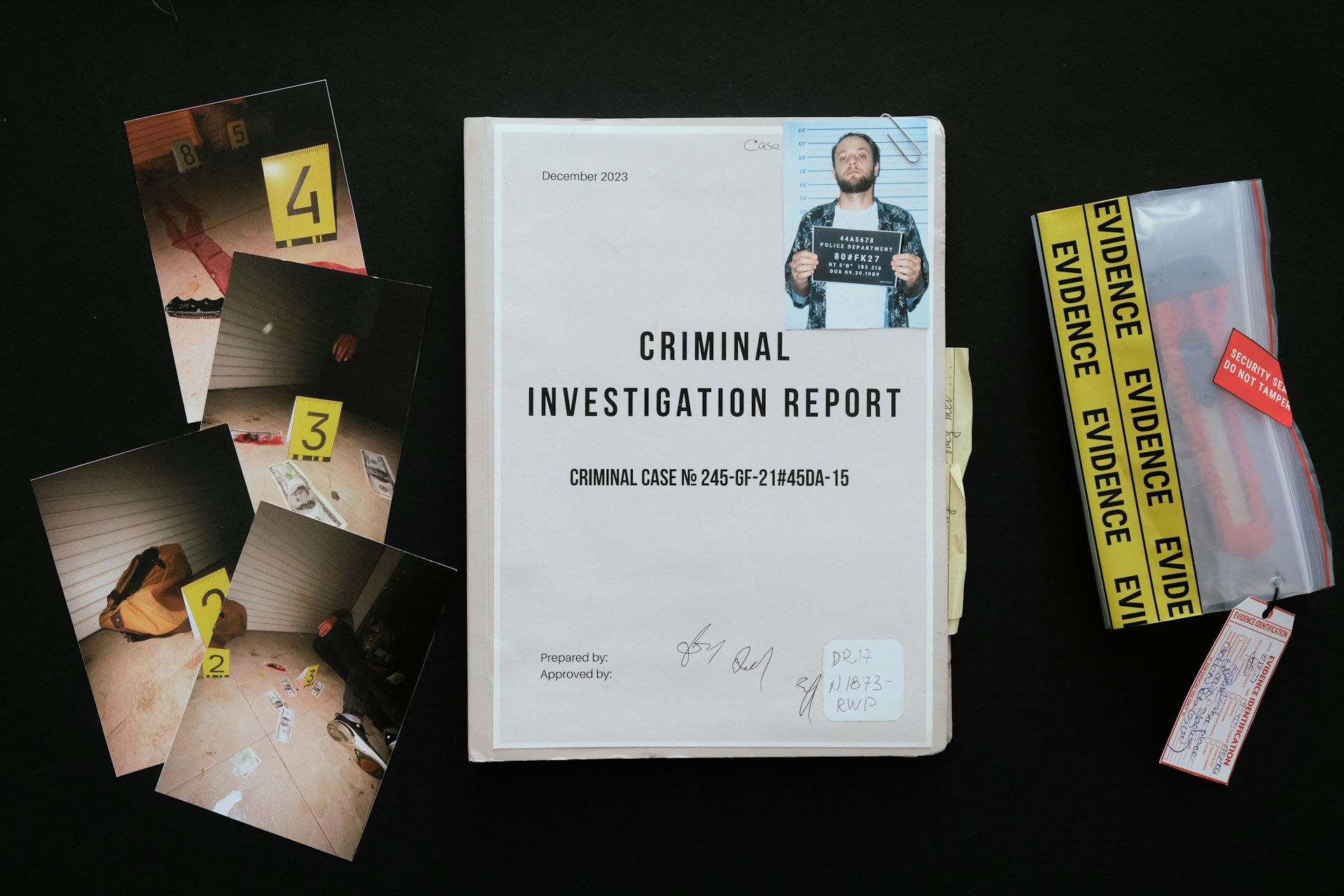
When someone faces criminal charges, the outcome often depends on the quality of the evidence presented in court. A skilled attorney knows that every document, witness statement, and piece of physical proof can influence the direction of a case. Understanding how evidence works helps defendants make informed decisions and protect their rights. Moreover, working with a forensic defense strategy can strengthen legal arguments and uncover facts that support a fair outcome.
Understanding Why Proof Matters in Court
Evidence forms the foundation of every criminal case. Prosecutors rely on it to prove guilt, while defense attorneys use it to challenge those claims. Without reliable evidence, it becomes difficult for either side to build a convincing argument.
Courts require evidence that meets legal standards before judges or juries can consider it. Therefore, attorneys carefully examine every detail to determine whether the information is accurate, relevant, and legally obtained. This process helps ensure fairness throughout the legal system.
Examining Physical Materials with Care
Physical evidence often plays a major role in criminal investigations. Items such as fingerprints, DNA samples, clothing, surveillance footage, and electronic devices may connect a person to a crime or support an innocent explanation.
However, physical evidence is only valuable when investigators collect and preserve it correctly. If law enforcement mishandles an item or breaks the chain of custody, the defense may question its reliability. As a result, the court may reduce its value or exclude it altogether.
Evaluating Testimony from Witnesses
Witness testimony can strengthen or weaken a criminal case. Some witnesses provide firsthand accounts, while others offer expert opinions based on specialized knowledge. Even so, memories can fade or become influenced by stress and outside information.
Defense attorneys carefully compare witness statements with other evidence. They also look for inconsistencies that may affect credibility. During cross-examination, lawyers ask thoughtful questions to reveal gaps or contradictions that could change how a jury views the testimony.
Challenging the Accuracy of Scientific Findings
Modern criminal cases often include scientific testing. DNA analysis, digital evidence, toxicology reports, and fingerprint comparisons can provide valuable information. Still, science is not free from mistakes.
A defense lawyer may consult independent experts to review laboratory procedures and testing methods. In many cases, expert witness analysis helps identify errors, contamination, or incorrect conclusions. Consequently, careful review can create reasonable doubt when scientific evidence appears unreliable.
Protecting Constitutional Rights During Investigations
Evidence must be collected legally. Police officers must follow constitutional protections when conducting searches, making arrests, and questioning suspects. If they violate these rights, the defense can ask the court to suppress improperly obtained evidence.
This legal safeguard encourages law enforcement to respect established procedures. Furthermore, excluding illegally obtained evidence helps preserve the integrity of the justice system and protects individual freedoms.
Building a Clear and Consistent Defense
Strong criminal defense requires more than pointing out weaknesses in the prosecution’s case. Attorneys also develop a logical narrative that explains the evidence from the defendant’s perspective.
Every piece of information should support that narrative. Documents, witness statements, surveillance records, and expert opinions work together to create a consistent explanation. Because of this careful preparation, juries often gain a clearer understanding of the facts before reaching a verdict.
Preparing for Every Stage of the Trial
Preparation begins long before the first day in court. Defense lawyers investigate the facts, interview witnesses, review police reports, and analyze legal issues. They also prepare clients for hearings and courtroom testimony when necessary.
Early preparation gives attorneys more opportunities to discover overlooked evidence and respond to unexpected developments. Additionally, careful planning allows them to negotiate from a stronger position if settlement discussions become possible.
Creating Confidence Through Careful Case Preparation
Every criminal defense depends on facts, preparation, and careful legal analysis. Building a persuasive case requires attorneys to examine every detail, challenge unreliable information, and present evidence in a way that supports justice. Using criminal case investigation methods from the beginning often provides valuable insights that influence the final outcome.
Ultimately, evidence remains one of the most powerful tools in the courtroom. When defense lawyers investigate thoroughly and protect their clients’ rights, they improve the chances of achieving a fair result. Although every case is unique, a well-prepared defense supported by credible evidence gives defendants the strongest opportunity to present their side of the story.