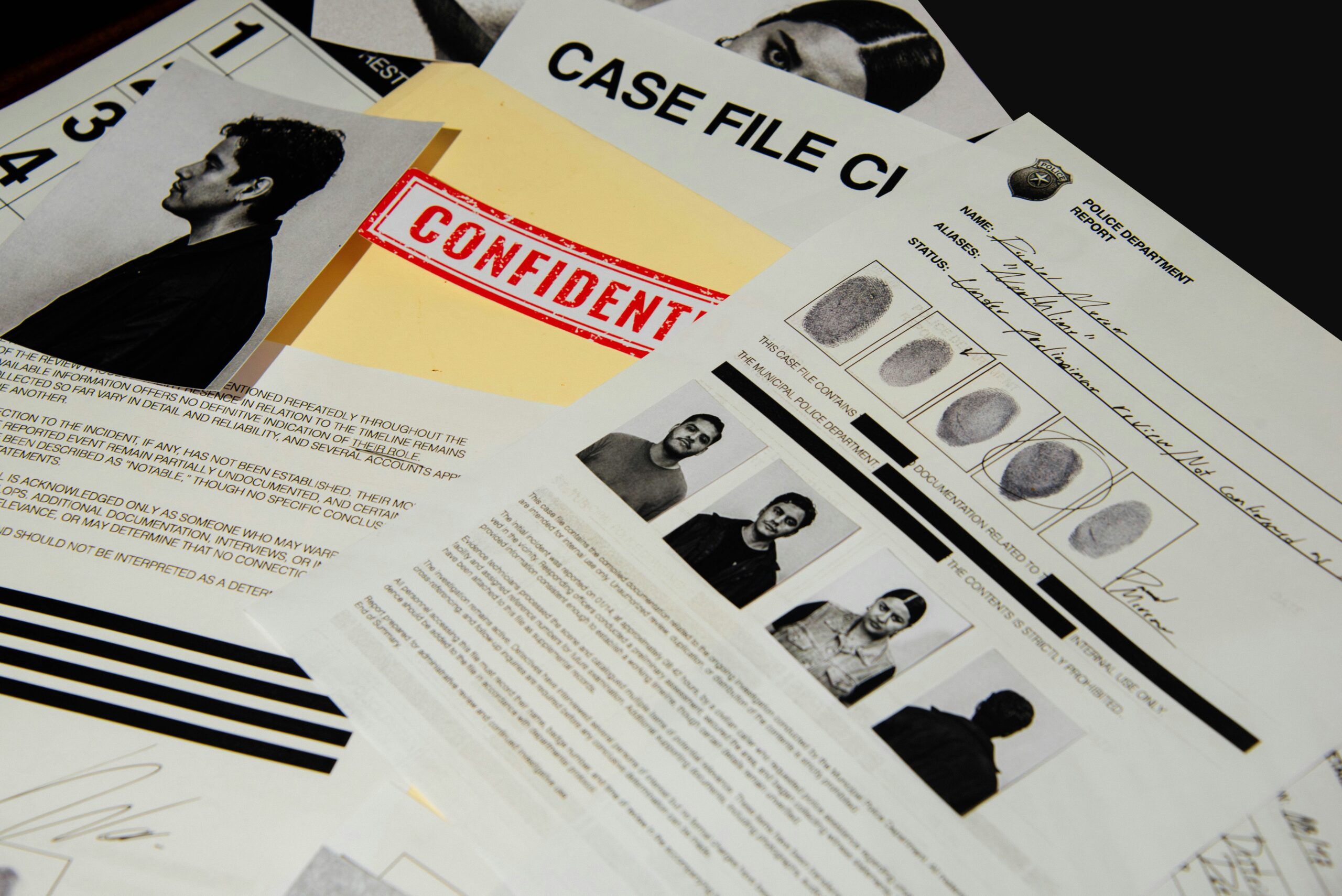
The criminal case process can seem confusing when you do not know what happens at each stage. A case can begin with an arrest and continue through several court steps before it reaches a final result. Each stage has a clear purpose. The process gives the court time to review the charges, examine evidence, protect legal rights, and decide how the case should end.
Not every criminal case follows the same path. Some cases end quickly because prosecutors drop the charges. Others end through a plea agreement. More serious or disputed cases may go to trial. The details can also vary by state and by the type of offense. Still, most criminal cases move through a similar general process.
The Arrest Starts the Criminal Case
A criminal case often begins when police arrest someone they believe committed a crime. Officers may arrest after seeing an offense happen, gathering enough evidence, or receiving an arrest warrant from a judge. After the arrest, the person is taken into custody. Police may search the person when the law allows it and secure personal property.
An arrest does not mean the person is guilty. It only means law enforcement believes there is a legal reason to take the person into custody. The prosecution still has to prove the charge later. The person also has important legal rights during this stage, especially if officers begin asking questions about the alleged crime.
Booking Creates an Official Record
After the arrest, police usually take the accused person to a station or detention center for booking. Officers record the person’s name, basic information, fingerprints, and photograph. They also list the suspected offense and may check for other active warrants. Personal belongings are usually recorded and stored.
Booking may take several hours, depending on the location and the number of people being processed. After booking, the person may remain in custody or qualify for release. The next step often depends on the seriousness of the charge, local rules, and whether the court needs to review release conditions.
The First Court Appearance Addresses Release
The accused usually appears before a judge soon after the arrest. During this hearing, the judge explains the charges and reviews basic legal rights. The court may also ask whether the person has an attorney. If the person cannot afford one and meets the legal requirements, the court may appoint an attorney.
The judge may also decide whether the person can leave custody while the case continues. The court may allow release without payment, set bail, or place conditions on release. These conditions may include staying away from certain people or places, attending future court dates, or following travel limits. The judge usually considers safety and the risk that the person will miss court.
Prosecutors Decide Which Charges to File
After police finish their early investigation, prosecutors review the case. They examine reports, witness statements, photos, video, digital records, and other evidence. Their job is to decide whether the evidence supports criminal charges. They may keep the original allegations, change them, reduce them, or decide not to file a case.
This review can have a major effect on what happens next. A person may be arrested for one suspected offense but later face a different charge. In some situations, prosecutors ask police to gather more information before making a final decision. If the evidence is too weak, the case may end before it moves much further.
The Arraignment Sets the Direction of the Case
Once prosecutors file formal charges, the defendant appears in court for an arraignment. During this hearing, the court states the charges and asks the defendant to enter a plea. Common pleas include guilty, not guilty, and, when allowed by law, it contest.
A not guilty plea usually means the case will continue through the pretrial process. A guilty or no contest plea may move the case toward sentencing. Before accepting a plea, the judge may ask questions to make sure the defendant understands the decision and is making it freely. This stage helps set the direction for the rest of the case.
Both Sides Review the Evidence
After the arraignment, the prosecution and defense begin a deeper review of the evidence. The prosecution must share certain information with the defense. This may include police reports, witness statements, photos, videos, lab results, and recorded interviews. This exchange helps both sides understand what evidence may appear in court.
The defense may also carry out its own investigation. An attorney may speak with witnesses, review police conduct, examine records, or seek help from experts. This stage can reveal important facts that were not clear at the beginning. It may also show whether the prosecution has a strong case or whether major weaknesses exist.
Court Hearings Can Shape the Case
Before trial, attorneys may ask the judge to make decisions about evidence or procedure. For example, the defense may argue that police collected certain evidence improperly. The court may then decide whether that evidence can be used. Other hearings may deal with witnesses, statements, or the way the trial will proceed.
These court decisions can change the strength of the case. If important evidence is excluded, prosecutors may have a harder time proving the charges. In other cases, a judge may allow disputed evidence to remain. Pretrial hearings help settle these issues before a jury or judge considers the main question of guilt.
Plea Agreements Can End a Case Before Trial
Many criminal cases do not go to trial. Instead, the prosecution and defense may discuss a plea agreement. In a plea agreement, the defendant may agree to plead guilty in exchange for a reduced charge, a sentencing recommendation, or another benefit. The exact terms depend on the case and local law.
The defendant has the right to accept or reject the offer. An attorney can explain the possible risks and benefits before the defendant decides. If the court accepts the plea, the case may move directly to sentencing. If no agreement is reached, the case can continue toward trial.
A Trial Decides Whether the Charge Is Proven
If the case reaches trial, the prosecution must prove the defendant’s guilt beyond a reasonable doubt. In a jury trial, both sides help select jurors. The prosecution then presents witnesses and evidence. The defense can question those witnesses and challenge the evidence.
The defense may present its own witnesses and evidence, but it does not have to prove innocence. After both sides finish, they make closing arguments. The judge explains the law, and the jury discusses the case in private. If there is no jury, the judge makes the final decision. The result is either guilty or not guilty on each charge considered.
Sentencing Follows a Guilty Outcome
If the defendant pleads guilty or is found guilty, the court moves to sentencing. The judge reviews the offense, the person’s background, the law, and other facts that may affect the penalty. The court may also hear from the prosecution, the defense, the defendant, and sometimes the victim.
The sentence can take many forms. It may include probation, fines, restitution, treatment, community service, jail, or prison. The exact result depends on the charge and the laws that apply. In some cases, sentencing happens soon after the guilty outcome. In others, the court schedules a separate hearing.
Appeals and Final Resolution
A criminal case does not always end at sentencing. A defendant may have the right to appeal the conviction or sentence. An appeal asks a higher court to review whether serious legal mistakes happened during the case. It usually does not involve a completely new trial.
The higher court may keep the original decision, change part of it, reverse it, or send the case back for more court action. A criminal case reaches final resolution when all required legal steps are complete. The outcome may be a dismissal, acquittal, plea agreement, conviction, sentence, or appeal decision. Understanding each stage makes the full criminal case process much easier to follow.